Yep, still wary about self-published books

I hate to say this, but as much as I hate the traditional publishing “system” as a writer, I’m mostly grateful for it as a reader. This past month I spent most of my time reading books that were either self-published or had originally been self-published and now had been picked up by a publisher, or the author had started out as a self-published writer.

First, I decided to try out Amanda Hocking. She received a great deal of attention for the many sales she made in self-publishing of her Trylle Trilogy series. The millions she made got the notice of some publishers, and she got picked up by a traditional company. I ended up getting a review copy of the first book in her new Watersong series, Wake, which is her first to be published entirely traditionally. It’s in e-book format as well as hardcover. Everything about it is polished and professional, from the cover to the marketing to the actual writing. I found the story to be compelling and pretty well written. I don’t think it’s going to be my favorite of any YA series out there, but it holds its own among its competitors.
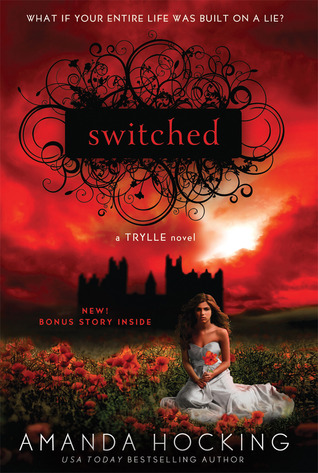
After reading that, I thought it might be time to investigate the older Trylle series, starting with Switched. Now that Hocking has been picked up, the books she’s already self-published have gotten the professional treatment, with nice cover images and some editing. Having not read them before they were edited, I can’t say how much editing they got. Did they just get some good proofreading, or did the stories themselves get some good polishing and reworking to make them better? I don’t know. I suspect they didn’t get as thorough editing as the Watersong books, however, because I did feel they could have used some more changes. I can also say that I didn’t think that the Trylle books were “all that.” Again, they hold their own OK compared to other books in the full YA romance and “paranormal” market, but they’re not standouts, in my opinion. The love story was pretty well done, but I couldn’t get on board with the “triangle;” one character just didn’t get fleshed out well enough for me to be completely behind him. And that was really important. I also just couldn’t get into the premise of the story enough for me to really like it; the idea of these “beautiful trolls” having little communities and “kingdoms” hidden among humans was fine, sure, but I just didn’t care what happened to them. Hocking kind of resolved that for me by the end of the series, but a reader shouldn’t have to wait till the middle of the third book to “get into” the premise. That was a major strike against the books, I thought.

So I am glad that Hocking got picked up by a major publisher, because she has talent enough to produce books that will sell well in the YA market, and she definitely benefits from good editing.

Next, I started a self-published book called Broken Shell Island, which a blogger had highly recommended. Looking at her list of other favorite books, I found similarities in our tastes and thought I should try out this book. I have to say that this is a fairly good story, but I just didn’t love it. It’s deliberately quirky, with a splash of Alice in Wonderland, almost, but the whole mix just didn’t do it for me. Others may like it. I think it would do better with a larger audience if it had the benefit of a good editor, as well.

Since I had blogged about clean romances, an author contacted me and asked if I’d like to read one of hers. Normally, I tell self-published authors I simply don’t have time to read their books; I have such a huge list of to-reads anyway, and limited time for reading/ reviewing, that it’s just safer for me to stick with traditionally published stories. (More on this later.) Plus, I want to make sure that Rated Reads reviews books that are getting a lot of attention, so that my site’s visitors know if the popular books they’re hearing about are clean or not. If I had a hundred reviewers contributing to RR, maybe I could alter that policy, but for now it still works. But I made an exception and read her book, Forgotten Honeymoon. It was cute enough, I suppose, but I did feel that I could have used that reading time for something I would really have loved. Again, it’s nice to know that someone’s out there writing “clean romances,” but they have to be really great and well-written in addition to simply “clean.”

Last, I read Love Unscripted, which is another book and writer who have been picked up by a traditional publisher after finding some success in the self-publishing arena. As I wrote on Goodreads, I decided to read this when I saw on one of my publishing-news updates that it had gotten picked up by a publisher. I figured that meant it should be a cut above the usual self-published stuff. For the first half or third of the book, I felt convinced that was true. It was fun to read and actually pretty well written. But as the book wore on, I had more complaints. I am hoping that since it’s now getting the treatment from a good editor, it may end up correcting some of the problems that I saw.

First, it was entirely too long; it could easily have been edited down without losing anything at all; in fact, taking out some stuff would have made me happier. It just dragged. I felt that some of the plot points were stretching my credibility and patience, and they could easily have been left out or changed significantly. Second, and related to the first point, as some other Goodreads reviewers noted, Reber does too much “telling” rather than “showing” in her writing. She hammered us over the head in telling us how the characters must be feeling. We get it. We’re smart enough to follow where you’re going. Third, a few things toward the end were so obvious that I just wanted to smack the character and the writer. I won’t “spoil” the story, but, really, this character is pretty smart. She didn’t see the really, really, REALLY obvious things that were going on around her from a mile away? Everyone else knew, and she didn’t. Urgh.

And on the topic of “clean” content or not, I was unhappy with the number of uses of the f-word. There were at least 25 to 30, which was simply far too many. The sexual details throughout the book were actually at a satisfactory level except for the first time the main characters have sex, and that scene is long and detailed. I REALLY didn’t want to know exactly what he was doing to her. Ick.

I think, though, that this author has potential and can create some characters we can root for and a love story that draws us in. This just needs a little bit of good editing. I hope that when it gets that and is published “traditionally,” this book will do well.

So, to sum up: In this month of spending my reading time with books that have been self-published somewhere along the line, I can still say with all confidence that I’d rather read something traditionally published. It’s still true that the publishing route allows books to get vetted for quality and then edited to make them even better. I just want to read books that are going to knock my socks off, and so far I haven’t read anything self-published that has done that.

And if that means that since I have yet to get picked up by a traditional publisher for the projects I’ve spent months of my life (and blood, sweat, and tears) on, I’ve not produced writing that’s good enough for others to read and love, so be it. It hurts my pride, but I’ll keep trying.
‘White bias’ hits ‘favorite teen books’ list

A friend drew my attention to the voting for NPR’s “best ever” teen books some months back, and I gleefully voted. Then I wrote a post about the final picks. Now a friend has alerted me to the latest “buzz” about the NPR list: it’s the “whitest ever.”

To be completely honest, I suppose my first reaction as a white person was: “So?” I think that if this list is what the most enthusiastic readers (who were aware of the NPR poll in the first place) voted for, then so be it. Can we not talk about race all the time? I am not going to say that our society has evolved to a level at which race is no longer an issue. In fact, I can say for sure that it’s not. If we were at that wonderful place where we could say race just didn’t matter anymore, we wouldn’t ever have to talk about it. It simply wouldn’t be an issue anymore. (For instance, when Barack Obama was running for president and then elected as president of the United States, everyone talked exultantly about how wonderful it was that our country was open to a black “leader of the free world.” It was talked about a LOT. Right there, I felt confident in saying, No, we’ve made strides, but we have not reached that ideal point yet because if we had, no one would have talked about his race AT ALL. It would never have been brought up. Merely stating that it was great we were electing a black president showed that it was still an issue.) So that’s my take on the race topic in general. Someday we will truly be color-blind as a society, and that will be the day when no one even thinks about someone’s color or ethnic background, let alone talks about it in the media.

Let me also clarify this point: I am white, but my husband is Asian, and my three older daughters are half-Asian. The youngest is black. And they’re just people to me. It just never occurred to me that my husband’s race could be any kind of topic. He just was and is who he IS. But from the things we talk about now and again, I do appreciate that he feels somewhat of an outsider sometimes in our culture at large, especially in certain areas of the country.

But on to the actual “best” list. The list was compiled in a non-scientific manner, and it was answered by NPR readers/listeners and those who heard about it from readers/listeners. NPR is clearly known to have a white, older audience. For its poll to skew white was a “duh” to me. If it had been otherwise, I would have been surprised.

I also observed that probably half of these books are from years back (one to two generations), and the diversity in books representing more of the American experience wasn’t there decades ago like it is now. So if we were to post a list that just contained new and current books, that wouldn’t skew quite as much to the white past.

I should also note that I am not an “expert” on YA. I just love to read anything; I remember with great fondness the books I read when I was young and still want my daughters to read because they just hold special meaning for me; call it nostalgia. And I do read a fair amount of newly-published YA, but I also read a lot of “adult” fiction and nonfiction. I don’t specialize in YA. But from what I can gather, it is still true that a lot of the most popular books even now in the YA market have white protagonists. Yes, there are lots of other books that have non-white protagonists and are well written, but they’re simply not getting the attention. Look at the best-seller list: Twilight, Hunger Games, Harry Potter. The main characters are all white, with some sprinklings of other ethnicities as secondary characters.

Which brings me back to my earlier point about our society and color-blindness. We’re not there yet. While definitely pretty well mixed in terms of diversity, our society is not thoroughly past a white-dominated era. This is reflected in media. I think as we continue to move forward, that will slowly change and diversity will be better reflected in all media, including the best-sellers in YA. It’s still good to have conversations about race and how we as people view it, but I do think that these kinds of large tectonic shifts just take time. Maybe in twenty or fifty more years this list will look much more diverse. In the meantime, this is a reflection of our society as a whole (and, again, just the white-skewed NPR; the source is not diverse, and the methods for gathering the “top” picks were hardly geared toward getting diverse answers).

What do you think?

The power of story

Over the past few years, it has really struck me just how strong the power of a story is.

But really, most of us just take for granted how surrounded we are by stories, how they can captivate us, ensnare us, direct us and shape us, without our even realizing that it’s happening.

Of course, as a dedicated reader (and editor and writer), I love to be willingly captured by a good story, whether it’s one that’s been spun completely out of someone’s imagination or one that’s based in reality and been tamed just enough to be put down in words. I’ve come to realize how difficult it is to extricate ourselves from a story once we’ve stepped inside of its boundaries. The story could be shared via any medium: books, film, television, or any other kind of art.

Have you ever noticed that even if you’re watching a movie or reading a book that’s even just mediocre, it’s challenging to walk away? (I can detach myself from a story that’s really poorly told, however.) Something in us yearns to know “the rest of the story.” It’s so against our nature to not find satisfaction in completion. We must know how the story plays out ’til its bitter end.

What’s even more entrancing is to find ourselves enmeshed in stories within stories. One recent example that had me absolutely mind-boggled was the movie “Inception.” There were so many stories layered inside of each other that I wasn’t even satisfied completely with one viewing; I had to go back and let my mind wander those strange passages several times so I could really follow the stories and how every detail fit together. I absolutely adore complexity. And surprises. (I’ve written about that already in my post on gothic tales.)

But books and movies don’t by any means hold a lock on story. Our minds always create stories for us. We lay down memories that are ordered in some kind of story format. We consciously and unconsciously create stories to make sense of information we run across. Yes, story-making is hardwired within us. Some people are just skilled at weaving the stories within them for others’ consumption, but they are not the only storytellers. I recently loaned some of my favorite books to a friend, and she very kindly extricated some wonderful quotes from the second in the set, Carlos Ruiz Zafon’s The Angel’s Game. One goes like this: “Everything is a tale. … What we believe, what we know, what we remember, even what we dream. Everything is a story, a narrative, a sequence of events with characters communicating an emotional content. We only accept as true what can be narrated.”

Yes, story is a powerful thing. It can be dangerous; it can be liberating; it can be instructive. It has the power to move people to action, for good or evil.

I just thank those people who have the gift to create and shape stories and share them with me. I think that’s why books are so beloved, and why even writers pay homage to other writers and to the written word itself. Books and the stories in them can transport us and change us, so much so that they come alive themselves. As Zafon also writes, “As long as there is one person left in the world who is capable of reading [books] and experiencing them, a small piece of God, or of life, will remain.” Thank goodness for that!

The magic of reading aloud to a child

I’ve been blessed with four amazing daughters, and I have to say that, despite my general unease and unpreparedness for being a mother when I first gave birth, one of the things I most looked forward to at that time was being able to read to my children. I wasn’t a big fan of newborns or even older babies; I was eager to teach and talk to little people. Over time I did get better at appreciating the fun parts of having babies around, but I still think that my favorite part of raising children is teaching them and interacting verbally. What fun!

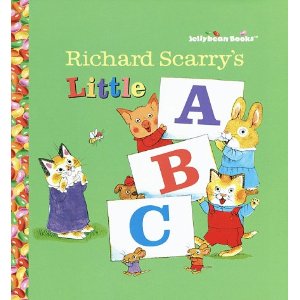
As a reader myself, sharing books with them was a big part of that teaching and communicating. I admit, however, when I first started reading aloud to my now-16-year-old, I was not a fan of the ABC and 1-2-3 books that we had to read OVER AND OVER. And over. And over. And … well, you get it. And over. Gah! Richard Scarry, cute. But I can only count so many bunnies and watermelons up till 3 or 4 or even 10 until my head’s about to explode like a ripe melon hit by a sledgehammer. I was SO excited when she got past that stage and I could read actual stories to her. Then we went through the stage of the very short stories that we read over and over and over. Even Dr. Seuss started to get on my nerves a bit. No, Mom, no. Don’t say that!

At any rate, I toughed it out and read to my girls every night. Unfortunately, I will also admit that as the third and fourth came along, I ended up getting a little busy and just overwhelmed to read to every single one of them every single night. My youngest hasn’t had the privilege of me reading to her every night before she nods off. The best she’s had was me reading to her in the middle of the day just before naptime. Now that this littlest one is in kindergarten, I’m going to have to figure out a good time to read to her and with her regularly. ‘Cause for a while there a few years back, I really was going bed to bed and room to room at 8:00 at night and reading with one girl at a time. An hour later, I was definitely ready for bed myself. Alone time with the husband? Important, yes. Did we get much of it? Not really.

So the routine’s gotten shaken up, but I’ve still logged many very pleasurable hours reading with the girls, at various stages and differing ages. Even my oldest enjoys having me come in at night sometimes as she’s finishing up schoolwork and Facebook-chatting and all that kind of teen stuff and lie down next to her on her double bed and read aloud as she winds down and relaxes to the sound of my voice. With her, I’ve read some of A Tale of Two Cities or Huck Finn or All Quiet on the Western Front, all assignments for classes, or we’ve pulled out a few old favorites for some fun. Maybe I’ll even read to her the night before she gets married someday. It’ll be the best way to remember our time together as mother and daughter at home.

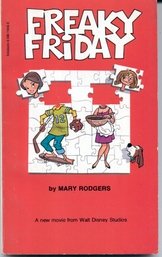
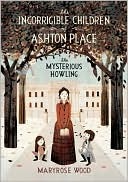
My third daughter is an absolutely voracious reader and has been wolfing down books this summer in particular. We’ve had fun with a few in particular: I read Freaky Friday, one of my favorites from when I was a pre-teen long ago, aloud to all of the girls who wanted to listen some months back, and we all laughed and chortled and chuckled together at all the funny things that happened (Boris and his beetloaf … funny stuff, man). This past month or so, this third girl and I have been reading the very charming and quotable books about the Incorrigible Children of Ashton Place by Maryrose Wood. I am of the opinion that read-alouds are most fun when they provide many opportunities for giggling and lines to quote later as a shared experience. Daddy has no idea what we’re referring to, which is different from all of our shared family movie quotes.

I read Eragon aloud with my oldest when she was probably about 10, and it took us six months to get through. But we enjoyed it. The movie version came out not long after, and she and I joined together in great distress and disgust when the movie version was absolutely horrible. What a shame!

I admit that though I do have children of varying ages, picture books up through teen and adult books, and I do a ton of reading on my own, young adult books aren’t my specialty. I have lots of blogger friends who really know a LOT about the middle-grade and young adult genre. So I think my last point here is: what do you think qualifies as great read-aloud material for middle readers, in particular? I think that something of a modest length and with some silliness is extra handy. More “serious” material is fine as well, but the silly factor makes it lots of fun. Any ideas?

Favorite teen books, part 2

So since I wrote about my take on NPR’s top-100 young adult books, I realized I had a lot more to say on the topic. First, I felt that there were a fair number of books on the list that were just so-so and wouldn’t really stand up in 20 years or more to be “classics.” So then I thought, “Hm. So what books are missing from this list that should be on it?” And I realized, looking through all of the books I’ve kept and lugged around with me through thousands of miles of moves and lots of years, that I didn’t really have a lot to add to the list, for a few reasons. First, some of the books I remember loving and reading over and over were actually more like middle-grade books, rather than for older teens. Second, I’d like to see more Madeleine L’Engle books on the NPR list, but at least her teen books were represented with A Ring of Endless Light. (The wonderful series that starts with A Wrinkle in Time, of course, is really more aimed at middle readers.) Third, I just couldn’t find any other books I’ve read and enjoyed that weren’t on the list already or were really what I’d call classics. Yes, there have been some great books written in the past 25 years or so since I wasn’t a “young adult” myself, but I think most of what I have read more recently as an adult has gotten represented. Honestly, though, I think the list would be better if it were just a “top 50.”

So I’m going to write today just a bit about some of the books that I did absolutely adore as a younger reader, books I either kept from buying them way back when or that I bought later on to have copies of in my home library. They’ll fit into a few different categories, but I’ll just kind of lop them together in this post.


  1. Middle-grade books I adored and read and re-read: These are easy: The Chronicles of Narnia by C.S. Lewis and A Wrinkle in Time and sequels by Madeleine L’Engle. I have no idea how many times I went back to savor these. I will say now as an adult that I have read some with my daughters, and I still enjoy them for various reasons but am not quite as captivated. I’m guessing that has to do a little with the age level. Susan Cooper’s The Dark Is Rising sequence is so complex in its world and how it is written that it can be read by middle readers but still is great for older readers, and it’s held up well for me as an adult. I don’t think that this means anything negative about the middle-grade books I loved so much back then, but they were, I think, really well-aimed at those ages, rather than being for a broader age group. But others may very well disagree with me on that opinion.
  2. On to L’Engle’s teen books: as I just mentioned, there is a definite difference in target audience between A Wrinkle in Time and the Austin family books, even though there are connections in characters who appear in the two major sets of books she’s written (about the Murrays and Austins). The characters are different ages, as are the target readers, and have different kinds of struggles and experiences because of their ages. I love how I was able to grow up with Madeleine L’Engle’s characters, moving from middle reader to teen.
  3. On teen books that were my absolutely most-read: thank you, Beverly Cleary. She, like L’Engle, wrote books for a variety of ages of young readers, and I grew up with her characters as well. I enjoyed Ramona and then went on to gobble up her teen romance stories. I really could have added in Cleary’s teen romances to the great clean romance list I contributed to and wrote about here. I read two books countless times: Fifteen and The Luckiest Girl. They are so well-worn they’re soft to the touch. My 16-year-old, who has kind of grown out of gobbling up books the past few years, still has read and re-read Fifteen almost as many times as I read it (at least 15). Some teens today might think that the stories are dated, and while it’s true they are most definitely set in a “simpler” time, they are still swoon-worthy and absolutely delightful. They’re clean, romantic and absolutely true. I wish more books today were as good as those.

And there you have it. I may revisit the topic and talk more about middle-grade books in the future, but for now this is how I view some of my old faves.

More of my top picks: best gothic tales

There are probably some differing opinions out there on what exactly “gothic literature” entails. For my purposes, I’m just going to say it’s fiction that has a setting that’s at least in part dark and possibly supernatural (or just hints at it or seems like it), is infused with a sense of foreboding, and has a mystery or secret that is revealed by the end. I am a big fan of the surprise twist, and I LOVE to be caught off-guard at the end, completely unable to guess the twist. If I can guess, the book just isn’t fun for me.

So I have found myself to be enamored by really well-spun gothic stories. I suppose this shouldn’t be a surprise to me now, considering how much I devoured all of Edgar Allan Poe’s tales when I was a teen. Now, though, I enjoy stories that are a bit less macabre and more about the very well-kept secret. When these secrets are deeply buried in an old noble family somewhere in England living in a crumbling-down mansion, all the better.

So, without further ado, here are a few of my favorite gothic novels.

  • Rebecca, by Daphne DuMaurier. I read this classic book sometime in my late teens, I think, and it got me hooked on the twist.
  • The Thirteenth Tale, by Diane Setterfield. A friend handed this to me to read, and I feel eternally indebted to her. What an amazing story! I don’t know if Setterfield will ever write another book, but if she doesn’t, that will be fine because this is a masterpiece of gothic literature. A mysterious, reclusive writer with a strange past finally decides to tell the truth about her life, and it is full of some shocking twists. Weird old family in old house? Check. Buried secrets? Check, check, check. It just doesn’t get better than this.
  • The Shadow of the Wind, by Carlos Ruiz Zafón. I came across this a few years after reading The Thirteenth Tale, and I found this was probably came in right behind that in pure awe and satisfaction. Another masterpiece. Zafón has written two novels in a series after this, continuing and enlarging upon the story and the setting, and they’ve been pretty good, but honestly not the triumph that the first was. Again, the setting is the past, and the story is permeated with mystery hanging over it like a mist. The twist is great, I loved how it all came together, and the writing is superb.
  • The Forgotten Garden, by Kate Morton. Morton has now written a number of really fine gothic stories, all set in England in old estates, with buried family secrets. The first, The House at Riverton, was a good example, but her second really nailed it. I am glad that she’s managed to keep writing. I don’t think any of her books is quite as amazing as Diane Setterfield’s one great story, but they’re all quite good, and I am just grateful she’s providing more stories for me to relish.
  • The Historian, by Elizabeth Kostova. Since this story is about Dracula, this could almost be considered a horror tale, but it really has more elements of what I consider gothic. That infamous vampire rarely appears in the book, and the story revolves around some historians who are trying to hunt him down in the mostly present day. The story takes readers on a wonderful and intense journey around the globe, into rooms filled with old books and documents, slowly revealing information and ending in a satisfying manner. I savored the journey and was sad when it was over. I was also sad when Kostova wrote another book and it wasn’t at all what I had hoped in tone or story (and THAT is probably why Diane Setterfield has turned Harper Lee on us).

What do you think? What other great gothic tales (my definition) am I missing?

Best young adult novels?

So NPR just released the results of a poll it conducted asking people to nominate and then vote on finalists in the category of teen novels. I did see the poll soon enough to vote on the finalists. I found that I was a little surprised at some of the books that were nominated enough to make it to a finalists list of 235 titles. There were some fun books on there, but quite a few weren’t ones I would consider truly excellent or memorable. I do think that this final 100 is fairly good and mostly reflects books that will stand the test of time.

Some of my favorites on the top 100 are these:

  • Harry Potter. No question. These books were popular for a very good reason. Not only was the whole series complex, detailed and full of wonderful twists and turns, but it had great characters, an unforgettable world to visit and revisit, and cleverness and wit galore.
  • The Book Thief. Yes, it got a lot of attention and word-of-mouth when it was published a few years back, and rightly so. Many books have been written about the Holocaust, but this was one that was relatable for teen readers as well as adults and was beautifully rendered, powerfully affecting and vividly evocative.
  • The Giver series. I suppose that this was almost an early entry in the now-burgeoning sub-category of dystopian novels. But each of the novels in the series got my attention and made me think about the cost of “equality” and “perfection.”

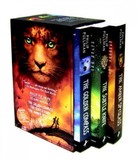
  • His Dark Materials series. When I finished the first book in this series, I was kind of scratching my head and not sure if I wanted to continue. But I’m so glad I forged on. The series was just so imaginative and deeply thought-provoking I wished I could just continue to experience it. And that is the hallmark of a great book: it creates a land you simply don’t want to leave.
  • The Dark Is Rising sequence. A never-to-be-forgotten school librarian introduced me to these books when I was only nine years old. I will forever be grateful. Even on multiple readings as an adult, I am still in awe at how well-written these books are and how complex. This is one of the best epics of good versus evil, light versus dark, EVER. Magic, Arthur and Merlin, the old hills in Wales … it’s all steeped in British legend.
  • Flowers for Algernon. Love, love, love this book. It can make me cry every time, too. What a lovely story about intelligence and humanity and gaining new skills and a new life and then losing them.

  • The Mortal Instruments and the Infernal Devices series. I absolutely adore these books by Cassandra Clare. When I found the first set a few years ago, I devoured them in no time flat. The story is good, but the characters and their dialogue and interactions are the best part. I loved how Clare could make me laugh out loud, and the romance between the two main characters is truly sizzling.
  • Anna and the French Kiss. I don’t know how much this completely compares to the others on my list here for utter staying power and memorability in, say, 20 years from now, but it absolutely delighted me. It’s a very fun teen romance.
  • If I Stay. Wow, what a great book. I loved the absolute real-ness of the whole story and its ability to make me root for the characters. The main character has such a beautiful relationship with her family members. I loved that the family unit was intact and that the parents and children loved each other so much. But at the same time, the main character has to decide if she should go with them or stay with her life and her boyfriend, who is a fine young man.
  • Feed. I really didn’t like the HUGE amount of strong language in this book. For me, it was really distracting. But the story is a really fine tale to get teens thinking, no question, about the amount of electronic interaction they have in their worlds. How far will we go as we allow electronics to become literally embedded in our lives?
  • The Hunger Games series. Yes, these are almost so ridiculously popular right now it seems silly to comment on them. But they are good books, and no doubt will become new classics.
  • A Ring of Endless Light. I read all of the Madeleine L’Engle books I could get my hands on when I was a teen. I will have to write about L’Engle in another post sometime. I just feel bad she didn’t get better represented on this list. She was amazing.
  • The Goose Girl. OK, I haven’t read this one. I must change that. I have read about five other Shannon Hale books, and I think she is an amazingly talented writer. She writes with a beautiful, lyrical style in the “serious” books, and she’s just got a great sense of humor in her lighter ones.

A few I thought were good but I don’t think will necessarily stand out from the crowd given a few years:

  • Divergent series. I did enjoy the first book, but I haven’t even felt compelled to read the second one yet. I may or may not get around to it.
  • Vampire Academy? Bloodlines? Wha? I don’t think so. I only think it’s on here because it and a bunch of other similar books are riding the popularity coattails of Twilight. If I’m wrong, please tell me I must read these and why. Same goes for House of Night series. Coattails.
  • Sarah Dessen books Just Listen, Along for the Ride, and The Truth About Forever AND This Lullaby. Wow. Four whole books. Eh. I enjoyed reading Along for the Ride, and I wrote that it was good, but apparently it wasn’t great enough for me to want to rush out and read more, and now I barely remember it.

And then there are a few others that are kind of in the middle for me. I did enjoy the Shiver series by Maggie Stiefvater, but I don’t know if I’d call it among the 100 best. Hm. Same goes for Delirium. I admit I eagerly await the third book after finishing the second installment, but we’ll have to wait and see if it should also be among the top 100. I would probably put Uglies as a single book in the top 100 for sure, but as much as I really liked that book, I liked the series less and less as it went along. I just didn’t like the direction it ended up taking. I also read Before I Fall and Unwind, which were thought-provoking in their own ways, but I don’t know if they’d get top billing. At the same time, though, I haven’t read any other Neal Shusterman, but I hear he is quite good, so he does probably merit a spot in the top list. As for the Gemma Doyle trilogy, I read the first book and was only mildly interested. Never read the rest.

I may very well need to make this into a series of reflections and think about some books I’d add onto the list if it were mine. But that is going to be for another post and another day.

Clean romance: does anyone want to read it?

So as those of you who pay attention to my “reading life” posts know, I review books. I have for years now. I run a website, Rated Reads, that exists to help readers know about the potential offensive content of books they might like to read. I think it goes almost without saying that I tend to prefer and appreciate books that don’t have lots of offensive material, be it vulgar language or sexual situations or even violence. I just clap my hands with joy when I find a book that’s just great in every way AND doesn’t have offensive content. Yay!

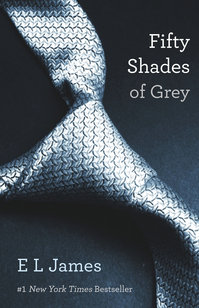
There are all kinds of genres and sub-genres out there: sci-fi, fantasy, paranormal fantasy, historical fiction, memoir, biography, young adult, romance, self-help, science, business … the list goes on forever. But certain types of genres sell particularly well overall, and some get extra attention during “fads.” Ever since Twilight, vampire love stories are very of-the-moment. And now it’s Fifty Shades of Grey. No vampires, but the protagonist is still super-hot and super-rich, just like the Twilight hero. In the case of this uber-popular new series, the love story isn’t necessarily about forbidden or supernatural love, but it’s about kinky sex, explicitly detailed in the book.

Um, no thanks.

So while those books are flying off the shelves and, most of all, being furtively downloaded onto e-readers, where no one else can tell what the purchaser is reading, I still say, Publishers and authors, please give me some great clean romance. Men often wonder why in the world so many of us women swoon over the Regency-era books, where the happy couple don’t even necessarily get a single kiss. I’ll tell you why: because the fun of romance is in the chase, in the slow buildup of longing looks and quiet exchanges of meaningful glances and words. It’s amazing to have a man treat us with respect and chivalry. I just don’t want to read about some gallant hero spanking a bound woman. Gah.

One of my review contributors, Teri Harman of Book Matters, talked about good clean romances on today’s KSL-TV Studio 5 segment:


She asked me a month ago what books I recommended that would fit the parameters. I pored over all the reviews I’ve written over the past four or five years and posted on Rated Reads and, sadly enough, came up with an extremely short list. This is what I wrote to her:


  • Major Pettigrew’s Last Stand is a delightful romance about an older English gentleman and a widowed Pakistani woman. I rated it mild for some language.
  • I really enjoyed all of Carrie Bebris’s books continuing the story of Darcy and Elizabeth Bennet. They’re mysteries, but they’re love stories as well in Austen mode. I like that she does a good job with them and feels true to the originals.
  • I loved Erin McMahon’s I Now Pronounce You Someone Else, a sweet YA book that I rated moderate for teens but mild for adults. Nice bonus: main character is saving sex for marriage, and she sticks to it.
  • I did enjoy Edenbrooke, the first in a new set of books that will be published by Deseret Book called “Proper Romances.”
  • Flipped is a very charming middle-grade book about two eighth-graders. Very cute.
  • Of course, I liked Austenland, but I’m sure other people know about that one by Shannon Hale.

What’s striking is that three of them are either Regency/Austen-type books or are patterned after them. Two are written by authors who are members of The Church of Jesus Christ of Latter-day Saints. Though they aren’t the Christian genre, their authors are going to decidedly keep their writing fairly clean because of their religious beliefs. So, sure, it might be easy enough to find a decent enough clean romance because it’s either a classic or patterned after a classic or because it’s in the Christian genre, but finding just any other romantic books out there in general fiction that aren’t some type of genre that demands or expects clean content is a tricky task.

So, yeah, authors and publishers. The dirty stuff apparently does sell. But so does the clean stuff. If you’re going to hop on a bandwagon, can you please hop on the latter one? ‘Cause I’m not riding the dirty wagon or patronizing it in any way. Thanks.

Romance: real life vs. books

Yet another day when I’ve been thinking about a topic and I end up reading something closely related. Some of the hottest books flying off shelves (or e-shelves) are romances. The latest is not just a romance; it’s erotica: the Fifty Shades of Grey books are at the top of the e-book bestseller lists and feature not just loads of sex but bondage and domination, apparently (nope, I am not going to read them).

And it would be crazy to even discuss this topic without mentioning the insanely popular Twilight saga (which, apparently, in some way is how Fifty Shades was inspired). Not erotica, at least, but heavy on the romance, lust, making-out, etc. Sure, there are action scenes dealing with the bad vampires, but it’s really about intense teen love. The very interesting series I’m reading right now, Outlander and its many sequels, is historical fiction that has lots of great characters in many settings, but the primary focus is the intense attraction between the heroine and her 18th-century husband.

I think many people concentrate on TV and movies when they consider the effects of mass media, and they are right to do so. But books can be overlooked in the kinds of effects their messages have on readers. This Deseret News article, for instance, focuses on film: romantic comedies, specifically, and how viewing them can affect real people in real relationships. I don’t think it comes as much of a surprise to anyone that relationships and love are not portrayed terribly accurately in movies, and I can say as a reader that there are plenty of books that fit that pattern as well. At least in literature, there are many more genres and many more books to choose from, and many can be found that do portray life much more realistically than film, in part just due to their length, honestly. But there are lots of books that are just print versions of rom-coms or trite romances (Nicholas Sparks, you’ve done damage in both print and celluloid!).

I’ve thought many times as I’ve read books that feature romance how so many skirt realities most of us experience. I don’t know about you all, but after 19 years of marriage, I don’t feel the same intensity of nonstop attraction to my dear husband as I did at the very beginning. In fact, I probably never felt the same way as some characters I read about. I remember reading The Time Traveler’s Wife and thinking, Good heavens! These people have sex all the time! Do they not do anything else when the husband isn’t popping off into other time periods? And as much as I am thoroughly enjoying the Outlander series, really: does anyone (or everyone) feel like having sex with their spouse all the time? I’m not saying that isn’t a great thing between husband and wife and vital to a good relationship, but it isn’t the ONLY thing or even 50 percent.

The other main issue, I think, with some of these books is that they often posit that there is one “true love” out there for everyone, that love is destined, fated, that each of us must find THE ONE, our soul mate. This can cause a number of problems; for instance: if a relationship isn’t going smoothly, then our partner must not be THE RIGHT ONE (and we ditch a perfectly good partner and move on to find that elusive person); we might be fooled by temporary chemistry that someone we are crazy about is perfect for us (and we ignore all the signs that show he or she truly may not make a good spouse); we may never find someone who fits the supposed characteristics of a soul mate and end up alone.

One of my church’s leaders, Spencer W. Kimball, said something very wise but not what anyone might consider easy or exciting or the basis of a swoon-worthy story line: “‘Soul mates’ are fiction and an illusion; and while every young man and young woman will seek with all diligence and prayerfulness to find a mate with whom life can be most compatible and beautiful, yet it is certain that almost any good man and any good woman can have happiness and a successful marriage if both are willing to pay the price.”

Still, it’s hard to resist the siren song of these romance stories. They just make everything seem so intense, so easy, so larger-than-life. They’re fantasy. But we like fantasy. We like to read about things that aren’t like real life. At the same time, does reading these unrealistic stories do damage to us as readers as we go about our regular lives once the book is put back on the shelf? Do we end up with unrealistic expectations from our relationships? Research seems to show that the answer is yes, at least in film. I dare say the same is true for similar messages in print.

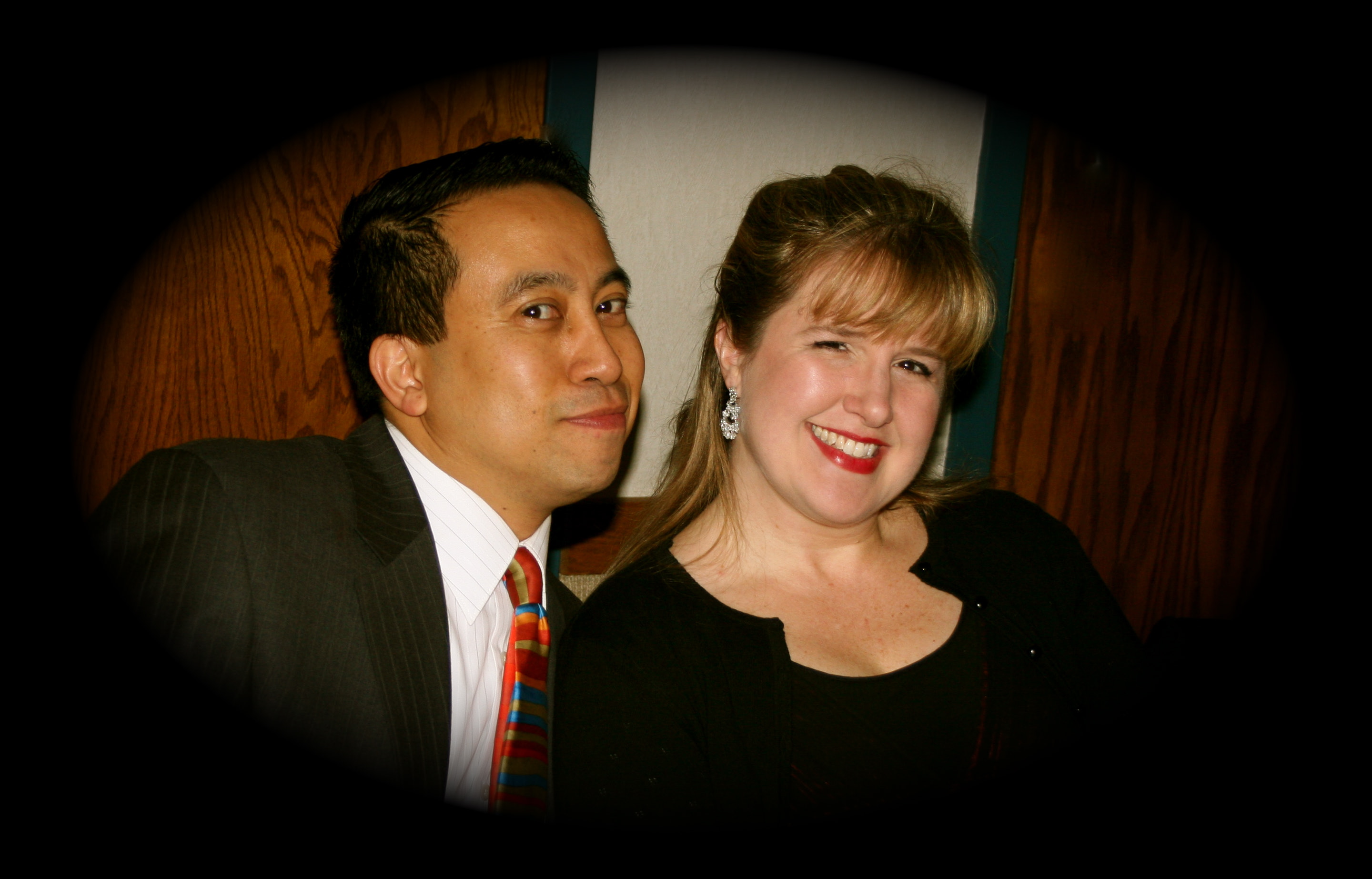
Yep, we look lovey-dovey and dressed-up here, but this is not everyday reality. I don’t care to take a lot of pictures of me (and us) during everyday reality…

Real life is harder, messier, more boring, more frustrating, more mundane, more work. Children can bring joy to our lives, but the work and the commitment involved can easily take away from our relationship as a couple (not that this is a good thing, but it happens easily if we don’t work to stop it from happening). The pressures of just making an everyday living and going about our usual day-to-day business can strip the thrill from our relationships. And time has a way of changing how we relate to each other, mostly for good. Love is a complex, wonderful, deep, multifaceted animal, and romance is only one of those facets. Sexual attraction is just a part of the romance. Infatuation and attraction occur strongly in the early stages of a romance, and real love develops past those, even though it is still desirable and a wonderful thing to still be attracted to our spouse 50 years after those early stages. My husband can still kiss me and make my legs turn to jelly, even 19 years into our relationship. But he doesn’t do it 10 times a day, and … well, I won’t go into any more private details. I don’t always look at him and think, Kiss me! I may just think, Thank heavens he’s home. Or I wish he’d do the dishes. After he’s home, the kids are in bed, and the dishes are done, then I am more disposed to think, Man, I wish he’d kiss me and jelly-fy my legs.

I think I have appreciated Anne Tyler’s books because they feel so much more real. They’re not romances, but they are about love. I was so profoundly moved by The Amateur Marriage, for instance, for its look at a less-than-ideal or smooth relationship. I love how Tyler can just dig right into real life, excavate some broken and dirty old shards, and hold them up to the light for our inspection. Yes, we think, this is how people lived then.

I couldn’t possibly write enough here about all the truths of relationships and longtime marriages. I certainly don’t have it figured out; 19 years is just enough for me and my husband to get in and get serious and tweak some rules so they fit us better. All I know is that media don’t often enough reflect real life. And that’s too bad. The shiny, glittery stuff that’s reflected to us off of film or the pages of books is too often easier for writers to portray and more desirable for us consumers. It’s just nicer or more appealing to consume a quick, too-sweet product than one that’s more subtle and layered. We want escape, all too often, not more of reality. But reality can be wonderful; in fact, it can be much better than the intense but one-sided stuff that comes at us from various media. I thank those amazing writers who have not just transported me to intriguing new places but those who have taken me right back to where I started and made it seem new and interesting in all its reality.

Me and my Kindle: why I’m no longer a paper purist

I think there were always two places I loved to smell. One was Baskin-Robbins. My grandparents would take me there when I was very small, and I can still remember standing in front of one of those freezers, not really even tall enough to see through the glass behind which lay the big tubs of ice cream. And for years, I just loved the smell every time I stepped into one of those stores: milky with the overlay of warm fudge and toasty cones and somehow even the scent of the freezers themselves.

The other places that make my nose happy are bookstores and libraries. While graced with similar scents, libraries (and used-book stores) have the tang of age and dust. Bookstores are crisper and fresher, but both just smell like paper and ink somehow. Ahhh. So welcoming and soothing.

So I love the smell of books. I also love how they feel, just turning page after page, whether a new book with fresh, untouched paper, or an old, beloved tome with soft pages that are worn down like Grandma’s bedsheets.

Then there’s just looking at them. My office walls are lined with bookshelves, shelf upon shelf of paperbacks and hardcovers, fiction and nonfiction, classics and newly published, humor and memoir, religious, dictionaries and thesauruses. I love  swiveling around from my computer to cast my eyes on these old friends. Of course, my living room has a wall lined with books too, some of my prettiest ones, matching sets, coffee table books, and a few of my absolute favorites. And my bedroom has a small bookshelf near my side of the bed, with some books I haven’t gotten around to reading yet but hope to. My daughters’ rooms all have lots of shelves, too, with all the picture books, tween and young adult books I’ve amassed over the years. I can walk into any room of the house and feast my eyes on my paper-and-ink friends.

Now. That said, I was resistant to the idea of ebooks, particularly the Kindle. Considering how much I’ve engaged in a love affair with print books for 40 years, the concept of holding a little electronic device didn’t excite me. It was kind of ugly and just seemed rather pointless. And how could I betray my longtime associates, all with their eyes watching my every move throughout my house?

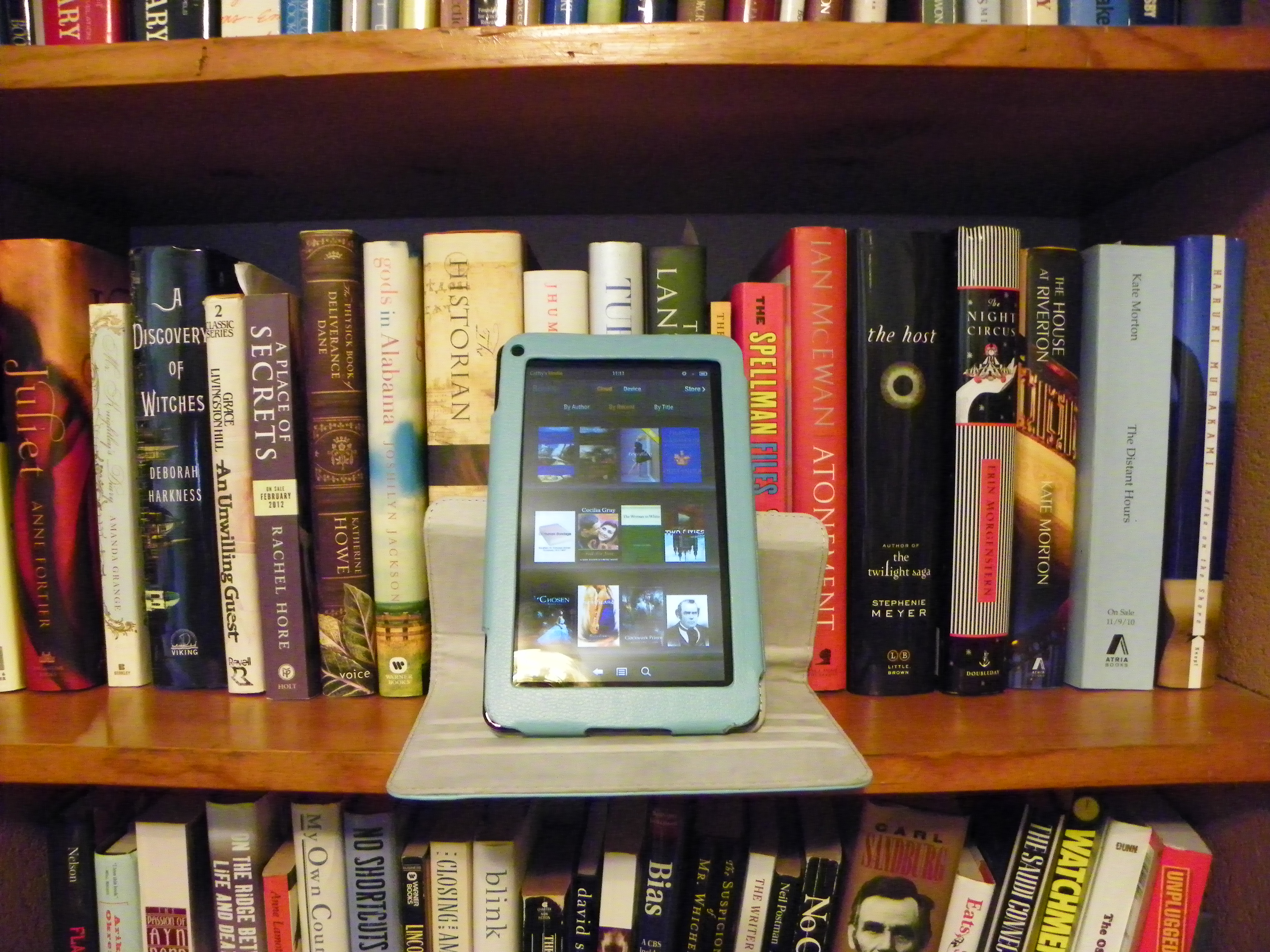
Sadly, that all changed when the Kindle Fire arrived late last fall. It seduced me with its beautiful, sleek lines and full-color screen. Its multifunctionality is what snagged me, I think. I could watch videos on it if I wanted, in larger size than I could view on my iPod Touch. Knowing that all I had to do was take along this one gadget to the gym for my daily workouts and be able to read or watch a movie or TV show, given what kind of mood I was in, was a huge selling point. I’ve been reading books on workout machines for years, and it’s always been awkward, though I’ve managed. Even using those plastic book-holders that slide over a machine’s console has certainly never been ideal. If the book is slim, the pages never get held down flat, and if it’s thick, it’s hard to turn pages. Argh. So knowing I wouldn’t have to use the plastic thingies as often was oh-so-tempting.

I had also started to be lured to the ebook device when reading a very thick novel. No matter where I was, at the gym or on a comfy couch, holding up that 750-page tome to read was sometimes a little annoying. And knowing that there was an alternative … well, I heard that siren call.

So I got a Kindle Fire for Christmas. And I have been using it practically nonstop ever since. It’s so easy to carry around, and I can switch among books easily. (I tend to like reading two or three books at the same time, and having them all in my hand at once makes switching and choosing a snap.) I’ve downloaded a number of classics that, somehow, I didn’t own … all for FREE. Who can resist free books, people?

I love the dictionary feature. I have a very good vocabulary, but there are still some books that offer up words I haven’t heard or am not too familiar with, and on my Kindle, all I have to do to look up their meanings and pronunciations is hold my finger on the word for a second. Up pops a dictionary entry. I no longer have to ignore my curiosity or interrupt my reading to go on the hunt for a dictionary off my shelf; it’s instant, and my reading can continue posthaste. It’s so cool!! I’ve been reading a series set in the 1700s that features some archaic words and location-specific vocabulary, and it has been the neatest thing to look up meanings so easily and quickly. I love it!

Along those same lines, if the dictionary won’t do it, I can quickly switch over to the Web feature and do a quick Google search for a phrase or place or something else I don’t understand or know little about. Quick, easy, handy information at my fingertips. Awesome.

I’ve already mentioned how it’s much easier to read a very thick book on my thin Kindle. It satisfied my hopes in that vein. The Outlander series I’ve been enjoying so much, set primarily in 1700s Scotland (so far), comprises about 8 very thick books. It’s been a lot easier to handle these 700-plus-page tomes as ebooks.

And let’s not forget instant gratification. I thought I’d “try” the first Outlander book on my Kindle because of its length, and I got hooked on the great story and characters. When I finished, I had to know what happened next, so all I had to do was go to the Kindle store and press a button. In seconds, the entire second book was there in my palm. Ahhh. No waiting for a trip to the library or a book to arrive in the mail (because we no longer have a bookstore here in town, thanks to Borders going under). Oh, no. When I really want a book, I can get it immediately. I love that!

All in all, my Kindle and I are very happy together. Sure, it has its downsides. I have to charge it every couple of days, but it doesn’t take long. And the Fire is hard to read in direct sunlight, such as when I’m driving in a car at certain times of day. That’s a problem. And like all electronic devices, I’m sure it’s going to give me a few fits. But even so, I’m still thoroughly enjoying my Kindle. I still love to look at all my books on the shelves. And the series I already have in hardback I’ll still finish buying in paper form, just to have a complete set, or I’ll buy certain books in their standard form for other sentimental or practical reasons. And even though I can borrow some books on Kindle from the library, most I still have to get in old-style form. That’s OK. For now, I like my new e-pal.